


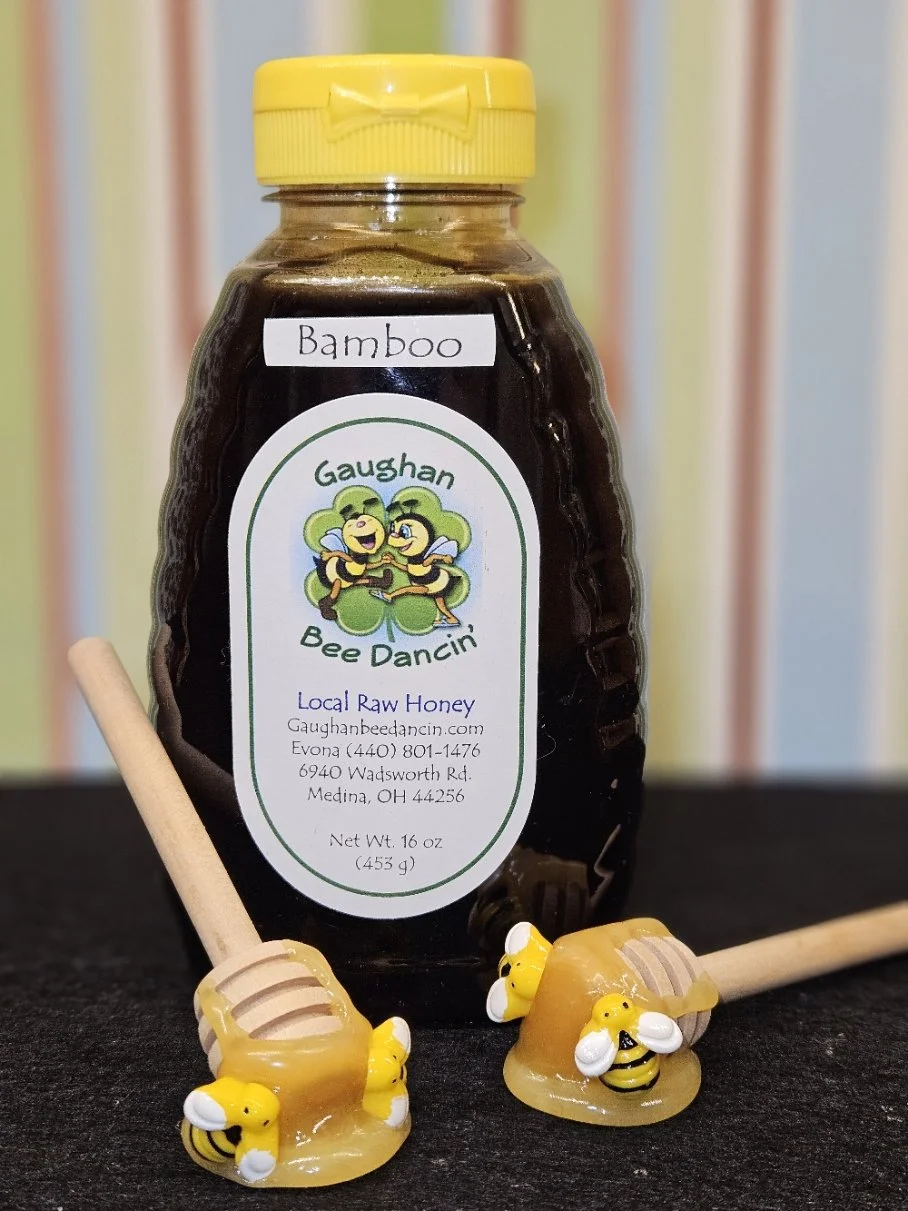
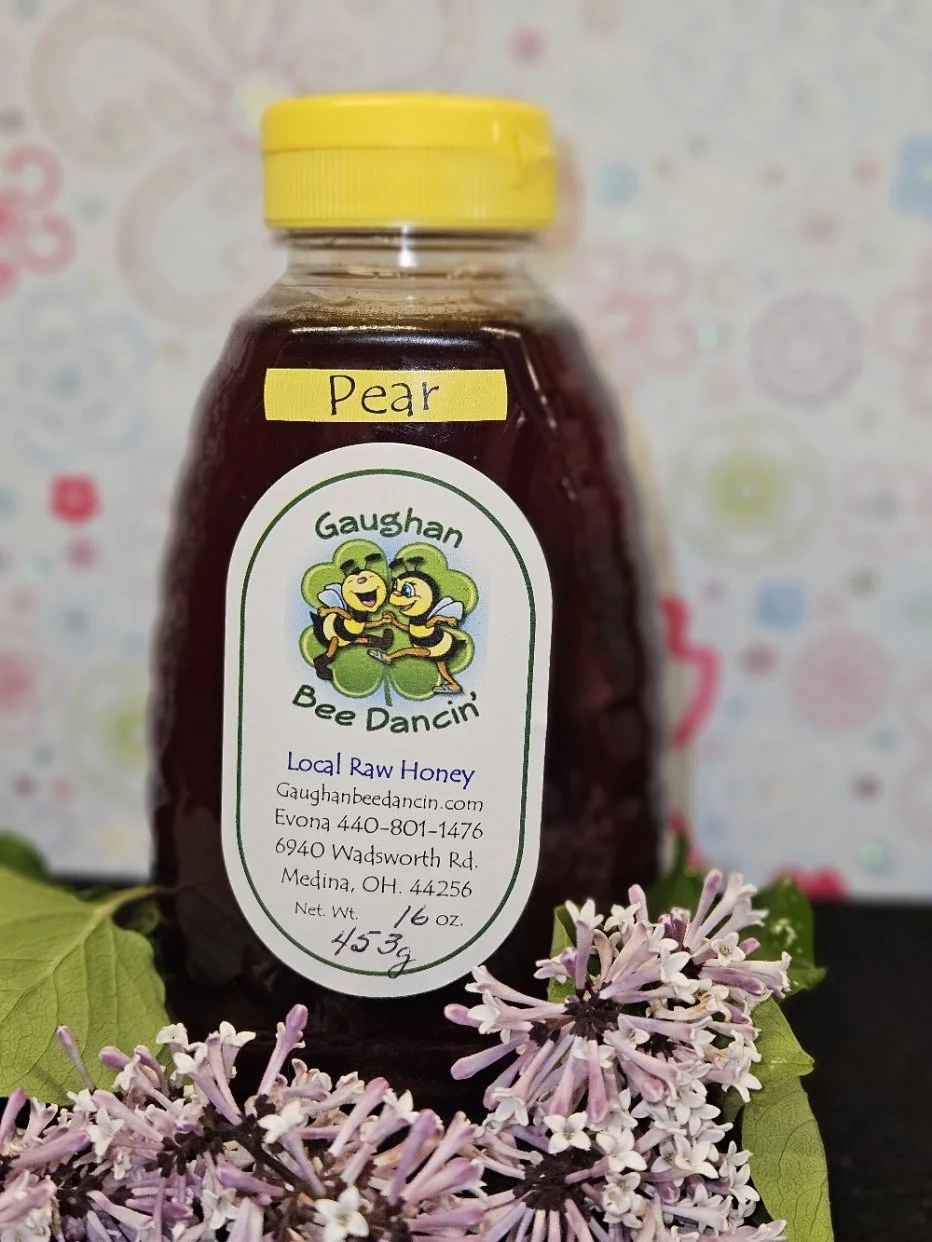

Varietal honey is honey whose flavor, color, and aroma come primarily from a single floral source or dominant group of flowers. Rather than a mixed wildflower blend, varietal honey reflects the nectar characteristics of a particular plant—think clover, orange blossom, buckwheat, tupelo, or lavender—so each jar tastes like a specific season and place.
How varietal honey is made
Foraging focus: Bees naturally collect nectar from whatever is blooming nearby. Varietal honey occurs when a large proportion of foraging activity is concentrated on one floral source. This can happen when a single plant species is abundant and blooming over a wide area (an orchard, field of clover, or mass-planted crop) or when beekeepers place hives where a target flower dominates the landscape.
Nectar collection: Worker bees visit flowers, ingest nectar, and store it in their honey stomachs.
Beekeepers harvest frames from hives when the target source has largely finished blooming, to reduce mixing with other nectars. Frames are un-capped and spun (or pressed) to extract honey. Good timing and hive placement are critical to preserving varietal character.
Minimal processing: To retain distinctive flavors, varietal honey is typically strained to remove wax and debris but not heavily filtered. Raw, unheated honey preserves delicate volatile compounds that give each varietal its signature aroma and taste. Gentle settling and light straining keep pollen and trace propolis that contribute to color and terroir.
Factors that influence varietal character
Floral nectar chemistry: Different flowers produce nectars with different sugar ratios, acids, and aromatic compounds. These dictate sweetness profile, crystallization tendency, and scent.
Geography and climate: Soil, temperature, rainfall, and local plant varieties shape nectar composition and thus the final honey.
Timing and hive management: Placing hives close to a dominant bloom and harvesting at the right moment are essential. Migratory beekeepers move hives to follow blooms (e.g., orange blossom or sourwood) to capture distinct varietals.
Common varietal examples and traits
Clover: Light, mild, floral; crystallizes moderately fast.
Orange blossom: Delicate citrus aroma, light color, smooth.
Buckwheat: Dark, robust, molasses-like flavor; high antioxidants; crystallizes quickly.
Lavender: Light, perfumed floral aroma; Mediterranean character.
Why people choose varietal honey
Flavor specificity: Bakers, chefs, and honey lovers pick varietals for predictable, distinctive flavors.
Pairing and culinary use: Certain varietals complement cheeses, teas, or desserts better than generic blends.
In short, varietal honey is a snapshot of a bee’s buffet during a particular bloom. With careful hive placement, timing, and gentle handling, beekeepers can capture and share those unique floral signatures—pure jars of seasonal personality.
Varietal honey is honey whose flavor, color, and aroma come primarily from a single floral source or dominant group of flowers. Rather than a mixed wildflower blend, varietal honey reflects the nectar characteristics of a particular plant—think clover, orange blossom, buckwheat, tupelo, or lavender—so each jar tastes like a specific season and place.
How varietal honey is made
Foraging focus: Bees naturally collect nectar from whatever is blooming nearby. Varietal honey occurs when a large proportion of foraging activity is concentrated on one floral source. This can happen when a single plant species is abundant and blooming over a wide area (an orchard, field of clover, or mass-planted crop) or when beekeepers place hives where a target flower dominates the landscape.
Nectar collection: Worker bees visit flowers, ingest nectar, and store it in their honey stomachs.
Beekeepers harvest frames from hives when the target source has largely finished blooming, to reduce mixing with other nectars. Frames are un-capped and spun (or pressed) to extract honey. Good timing and hive placement are critical to preserving varietal character.
Minimal processing: To retain distinctive flavors, varietal honey is typically strained to remove wax and debris but not heavily filtered. Raw, unheated honey preserves delicate volatile compounds that give each varietal its signature aroma and taste. Gentle settling and light straining keep pollen and trace propolis that contribute to color and terroir.
Factors that influence varietal character
Floral nectar chemistry: Different flowers produce nectars with different sugar ratios, acids, and aromatic compounds. These dictate sweetness profile, crystallization tendency, and scent.
Geography and climate: Soil, temperature, rainfall, and local plant varieties shape nectar composition and thus the final honey.
Timing and hive management: Placing hives close to a dominant bloom and harvesting at the right moment are essential. Migratory beekeepers move hives to follow blooms (e.g., orange blossom or sourwood) to capture distinct varietals.
Common varietal examples and traits
Clover: Light, mild, floral; crystallizes moderately fast.
Orange blossom: Delicate citrus aroma, light color, smooth.
Buckwheat: Dark, robust, molasses-like flavor; high antioxidants; crystallizes quickly.
Lavender: Light, perfumed floral aroma; Mediterranean character.
Why people choose varietal honey
Flavor specificity: Bakers, chefs, and honey lovers pick varietals for predictable, distinctive flavors.
Pairing and culinary use: Certain varietals complement cheeses, teas, or desserts better than generic blends.
In short, varietal honey is a snapshot of a bee’s buffet during a particular bloom. With careful hive placement, timing, and gentle handling, beekeepers can capture and share those unique floral signatures—pure jars of seasonal personality.